What's My Junk Car Worth in Miami? Scrap Car Price Guide (2026)
• By MiamiJunkCars • Miami, FL
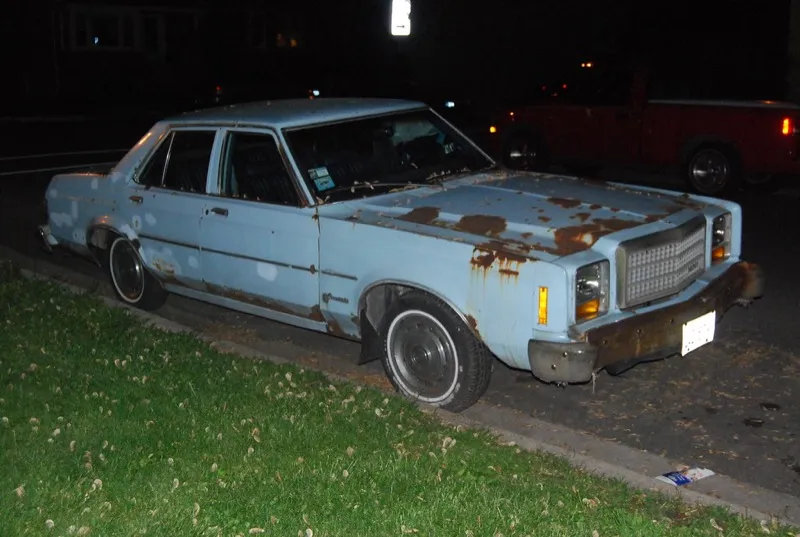
How Junk Car Prices Are Calculated
When a junk car buyer in Miami gives you an offer, they are not pulling a number out of thin air. The calculation is based on a combination of real market data and a physical assessment of your vehicle. Understanding how this works puts you in a stronger position to evaluate any offer you receive and to know whether you are getting a fair deal.
The first and most fundamental factor is vehicle weight. A heavier vehicle contains more steel, aluminum, and other metals — all of which have market value at the scrap yard. A compact sedan might weigh 2,800–3,200 lbs, while a full-size pickup truck can exceed 5,500 lbs. That weight difference translates directly into a higher scrap value for the truck, all else being equal.
The second major factor is salvageable parts value. Before a car is crushed for scrap, the yard will pull any components that can be resold: engines, transmissions, catalytic converters, alternators, doors, hoods, seats, and electronics. If your vehicle has a functional engine or an intact catalytic converter, the buyer accounts for those parts in your offer because they can resell them for considerably more than their scrap metal weight alone.
The formal salvage value formula used by buyers is: Salvage Value = (Actual Cash Value − Repair Cost) × Salvage Percentage. The salvage percentage varies by vehicle category — economy cars typically see 25–40%, trucks 30–45%, and luxury models 35–50%. In practice, most instant-cash junk car offers are simplified estimates, but the underlying math follows this structure.
Current Scrap Metal Prices in Miami (Feb 2026)
Scrap metal prices in Florida fluctuate daily based on commodity markets, global steel demand from China and India, and seasonal construction activity. The table below reflects approximate Florida market prices as of February 2026. Prices vary between individual scrap yards — always contact local buyers to confirm current rates before selling.
Note: CWT = Hundredweight (100 lbs).
| Material | Price (USD) | Unit |
|---|---|---|
| Steel | ||
| Prepared Steel Scrap | $10.70 – $12.45 | CWT |
| Unprepared Steel Scrap | $8.25 – $9.35 | CWT |
| Sheet Iron | $9.00 | CWT |
| Cast Iron | $10.20 | CWT |
| Aluminum | ||
| Aluminum Cans | $0.49 – $0.82 | LB |
| 6063 Aluminum Scrap | $0.85 – $1.20 | LB |
| Al/Cu Radiators | $1.26 – $2.00 | LB |
| Aluminum Cast Scrap | $0.42 – $0.67 | LB |
| Copper | ||
| #1 Copper Scrap | $4.20 – $4.60 | LB |
| Bare Bright Copper | $3.80 – $4.60 | LB |
| Brass | ||
| Red Brass Scrap | $2.22 – $2.80 | LB |
| Yellow Brass | $2.28 | LB |
| Stainless Steel | ||
| Stainless Steel Scrap | $0.25 – $0.45 | LB |
To put these numbers in context: a 3,500 lb steel-heavy sedan, at roughly $0.10–$0.12 per lb for prepared steel scrap, yields approximately $350–$420 in pure metal value. Add in a functioning catalytic converter ($45–$820+), a resellable engine, and intact aluminum components, and the total offer climbs substantially above the bare scrap floor.
Price Ranges by Vehicle Type
Vehicle type is one of the strongest predictors of junk car value because it determines both the weight (scrap metal yield) and the typical demand for salvageable parts. The ranges below reflect Miami market conditions as of early 2026 and assume vehicles in average junk condition — not running but otherwise reasonably complete.
| Vehicle Type | Example Models | Typical Range |
|---|---|---|
| Economy Sedan | Honda Civic, Toyota Camry, Nissan Altima | $300 – $800 |
| SUV | Ford Explorer, Toyota RAV4, Honda CR-V | $500 – $1,200+ |
| Pickup Truck | Ford F-150, Chevy Silverado, Toyota Tacoma | $700 – $1,500+ |
| Luxury Car | BMW 3-Series, Mercedes C-Class, Audi A4 | $400 – $1,000+ |
| Commercial Van | Ford Transit, Chevy Express, Dodge Ram Van | $600 – $1,400+ |
A few things to note about these ranges. Luxury vehicles do not always fetch more than economy cars — their parts can be harder to resell, and the base scrap metal value per pound is the same regardless of original MSRP. Pickup trucks often outperform luxury cars purely because of their greater steel weight. Commercial vans tend to have high scrap value due to their size and the demand for fleet vehicle parts.
Ranges widen significantly when a vehicle has a running engine, intact catalytic converter, or low mileage — all of which push offers toward the upper end. Conversely, flood damage, fire damage, or a stripped interior pushes offers toward the lower end of the range or below it.
Factors That Increase Your Junk Car's Value
When you contact a Miami junk car buyer, describing these details accurately will get you a higher offer — or at minimum, an offer that reflects your car's true value rather than a low-ball default.
- Running engine: A functional engine is one of the most valuable resellable components on a junk car. Buyers can resell working engines for hundreds or even thousands of dollars, and they will reflect that in the offer.
- Intact catalytic converter: Catalytic converters contain platinum, palladium, and rhodium — precious metals with significant market value. Converters on Honda, Toyota, and hybrid vehicles are particularly valuable, often worth $150–$820 or more on their own.
- Low mileage: Lower mileage indicates less wear on the drivetrain and internal components, making the engine, transmission, and other parts more appealing to salvage buyers.
- Newer model year: Newer vehicles have more in-demand parts and are more likely to have intact electronics, sensors, and systems that can be resold.
- Complete body and interior: A car with all its doors, seats, glass, mirrors, and trim panels intact is worth more than a stripped vehicle. Every missing part is a piece of resale value the buyer can no longer recover.
- Title in hand: Having a clear Florida title simplifies the transaction and can positively affect the offer, since the buyer faces no paperwork uncertainty or delays.
You do not need all of these factors to get a fair offer. Even a car with none of them — non-running, high miles, no title — still has scrap metal value. These factors simply move the offer up from the scrap floor toward the parts-value ceiling.
Factors That Decrease Your Junk Car's Value
Being aware of these factors lets you set realistic expectations before you request a quote. In some cases, you may be able to recover value by addressing one of these issues before selling — for example, locating a title or keeping the catalytic converter intact.
- Flood damage: Saltwater and brackish water flooding — extremely common in Miami near Biscayne Bay — causes accelerated corrosion to the frame, brake lines, subframe, and electrical system. Even vehicles that initially restart after flooding often fail within weeks. Flood-damaged cars are valued primarily at scrap weight rather than parts value.
- Fire damage: Fire destroys wiring, upholstery, plastics, and can warp or crack engine components. A fire-damaged vehicle may have almost no recoverable parts value, leaving only the scrap metal itself.
- Missing catalytic converter: Catalytic converter theft is a significant problem across Miami-Dade. If yours has been stolen, expect a noticeably lower offer — the converter alone can represent $150–$500+ of the total value.
- Stripped interior or missing parts: Missing seats, doors, hoods, mirrors, wheels, or trim panels each reduce the resellable parts inventory the buyer can recover.
- High mileage: Very high mileage (200,000+ miles) suggests heavy wear on the engine, transmission, and suspension, reducing the odds that these components can be resold at full value.
- Extensive rust or frame damage: Miami's coastal humidity accelerates rust on older vehicles. Significant rust on structural components or frame damage from an accident can reduce an offer because the vehicle is only viable for scrap, not parts recovery.
Miami-Specific Market Factors
Miami's junk car market is shaped by factors you will not find in most other US cities. Understanding these can help you time your sale or contextualize an offer you receive.
Hurricane and storm demand spikes. After major storms or flooding events — like the April 2024 event that dropped over 20 inches of rain on Miami in under 24 hours — the volume of flood-damaged vehicles available spikes dramatically. This temporarily increases supply, which can push offers slightly lower during the immediate aftermath as buyers are flooded with inquiries. In the weeks following the initial rush, offers typically normalize or improve as demand from recyclers catches up.
Proximity to the Port of Miami. Miami's position as a major international shipping hub gives local scrap dealers better access to export markets, particularly to steel mills in India, Turkey, and Mexico. When export demand for scrap steel is high, Miami-area buyers often offer slightly better prices than inland markets because they can move material to port efficiently. This is a real — if often invisible — advantage of selling locally in Miami rather than to a national buyer routing through a distant facility.
Coastal environment and rust acceleration. Miami's warm, humid, salt-laden coastal air accelerates rust and corrosion on vehicles — particularly those parked outdoors or in flood-prone areas. Vehicles that spend years near the coast often show structural rust that buyers in dryer inland markets would not encounter. This is a factor in Miami offers on older vehicles, but it also means local buyers are experienced pricing around it accurately rather than penalizing you arbitrarily.
Seasonal construction and steel demand. Scrap metal prices tend to be higher during Miami's active construction season (roughly October through May, when the weather is cooler and drier). If you are not in a rush to sell, monitoring metal prices and selling during a construction demand peak can marginally improve your offer.
How to Get the Best Offer in Miami
Getting the best price for your junk car in Miami does not require expert negotiation — it requires preparation and knowing the right questions to ask. Here are the practical steps that make a real difference.
Know your vehicle details before requesting a quote. Year, make, model, approximate mileage, and the honest condition — running or not, title situation, any missing major parts. Buyers work faster and quote more accurately when you have these ready. Vague descriptions often result in conservative (low) initial offers that get adjusted at pickup.
Get at least two or three quotes. Miami has a competitive junk car market. Contact multiple local buyers and compare. Offers can vary by $50–$200 or more for the same vehicle depending on what parts each buyer currently needs in their inventory. A buyer who recently sold their last Honda Civic engine will offer more for yours than one who has a surplus.
Don't let the catalytic converter get stolen before you sell. Catalytic converter theft is rampant across Miami-Dade. If your car is sitting in a driveway or on the street, it is a target. A missing converter can reduce your offer by $150–$500. Sell promptly or take steps to deter theft if the car is sitting.
Have your documents ready. Title, registration, and a valid Florida ID allow the transaction to proceed quickly. If you do not have the title, gather your registration and any insurance cards. For vehicles 10+ years old, Florida allows sales to licensed salvage dealers without a title — but having your documentation organized signals to the buyer that the transaction will be smooth, which sometimes results in a slightly better offer.
Watch scrap metal prices. Scrap metal prices are publicly available online through sites like iScrap App and Rockaway Recycling. If prepared steel scrap in Florida is running near the top of its recent range ($12+ per CWT), that is a good week to sell a heavy vehicle. Prices can shift meaningfully within a single month based on commodity market movements.